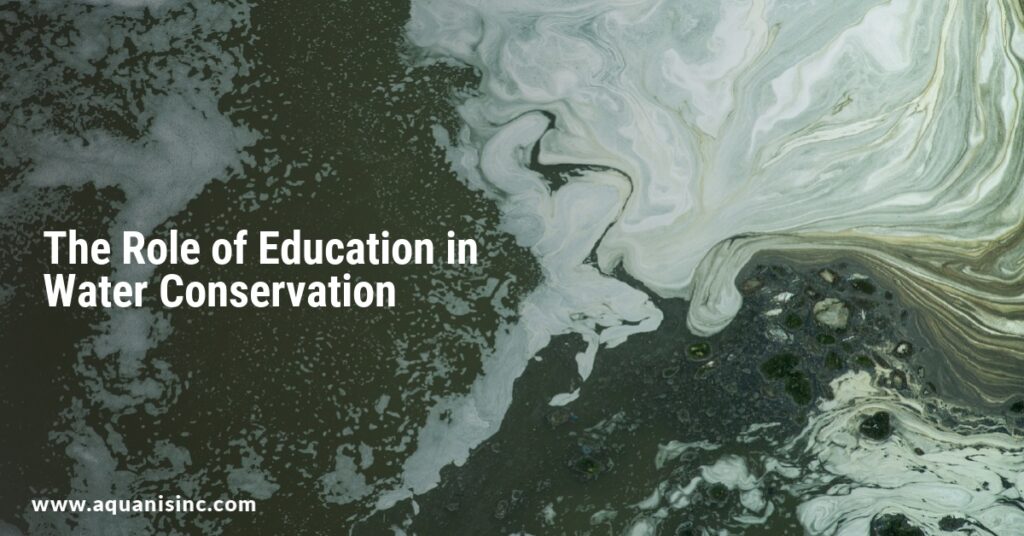

Welcome! Today, we want to shed light on the crucial issue of agricultural runoff pollution and its impact on water quality. As we know, this type of pollution is a significant concern in the United States, affecting rivers, lakes, wetlands, estuaries, and groundwater.
When it comes to agricultural runoff, the pollutants involved are diverse and include sediment, nutrients, pesticides, and more. These pollutants are primarily a result of poorly managed animal feeding operations, overgrazing, improper use of pesticides, irrigation water, and fertilizer.
The consequences of agricultural runoff are far-reaching. It can impair the quality of water bodies, disrupt aquatic ecosystems, and even harm marine life. Additionally, freshwater sources and wetlands are not immune to the negative impacts of this pollution. It is clear that addressing agricultural runoff is vital for the preservation of water resources and the well-being of both humans and the environment.
Join us as we dive into the details of how agricultural runoff affects marine life, freshwater sources, and wetlands. Together, we can explore potential solutions and the importance of environmental conservation in combating this pressing issue.
What is Nonpoint Source Pollution?
Nonpoint source pollution, also known as polluted runoff, is a form of water pollution that differs from pollution caused by point sources like industrial plants. It occurs when rainwater or snowmelt flows over and through the ground, picking up and carrying natural and human-made pollutants before depositing them into water bodies.
This type of pollution is particularly prevalent in agricultural runoff, which is the leading source of impairments to rivers and lakes. When runoff from farms occurs, it carries sediment, nutrients, pesticides, and other pollutants that can harm aquatic ecosystems and degrade water quality.
To address nonpoint source pollution, awareness and the adoption of management practices are crucial. By implementing measures such as erosion control, nutrient management, and conservation tillage, we can help control and reduce the impact of agricultural runoff on our water resources.
How Does Agricultural Runoff Affect Marine Life?
Agricultural runoff has a significant impact on marine life and poses a threat to the health of our oceans. Copper pollution, which can enter the marine environment through agricultural runoff, is particularly harmful to sea fan corals. It inhibits their recovery from diseases and can lead to long-term damage to coral reefs, which are vital habitats for a diverse range of marine species. The presence of copper in the water also affects the reproductive systems of marine organisms, further disrupting the delicate balance of marine ecosystems.
Another consequence of agricultural runoff is the occurrence of harmful algal blooms, commonly referred to as red tides. These blooms are fueled by the excess nutrients, such as nitrogen and phosphorus, that enter the water through runoff. Red tides can be highly toxic to fish and other aquatic life, leading to mass fish kills and the disruption of entire food chains. Moreover, they can have detrimental effects on human health, causing skin and eye irritation for those who come into contact with the contaminated water.
It is crucial to address agricultural runoff as a significant contributor to marine pollution. Approximately 80% of marine pollution is attributed to activities on land, and agricultural runoff plays a significant role in this. By adopting sustainable farming practices, implementing proper waste management systems, and reducing the use of harmful pesticides and fertilizers, we can greatly minimize the negative impact of agricultural runoff on marine ecosystems. It is our responsibility to protect our oceans and preserve the delicate balance of marine life for future generations to enjoy.
What About Agricultural Runoff and Freshwater Sources?
Agricultural runoff poses a significant threat to the quality of our freshwater sources, including lakes, rivers, and groundwater. The excessive runoff of manure, fertilizers, and sediment from agricultural activities can lead to harmful algal blooms, reduced oxygen levels, and degraded water quality. Let’s take a closer look at how agricultural runoff impacts our freshwater ecosystems.
Surface Water Quality
The runoff from farms can introduce high levels of nutrients and sediment into surface water bodies. These nutrients, such as nitrogen and phosphorus, fuel the growth of harmful algae, leading to algal blooms. These blooms can deplete oxygen levels in the water, suffocating fish and other aquatic organisms. Additionally, sediment runoff can cloud the water and smother aquatic habitats, further degrading the overall water quality.
Groundwater Pollution
Groundwater, which serves as a crucial source of drinking water, can also be contaminated by agricultural runoff. Pollutants such as nitrogen, bacteria, pesticides, herbicides, and even pharmaceuticals can leach into the groundwater and persist for long periods. Once pollutants enter the groundwater, they can be challenging to remove and can pose a threat to human health and the environment.
Preventing and Mitigating Agricultural Runoff
To mitigate the impact of agricultural runoff on freshwater sources, it is essential to implement effective management practices. Farmers can adopt measures such as fencing off cattle areas, creating buffer zones along water bodies, and implementing proper waste management systems. Additionally, precision irrigation techniques can help reduce water usage and minimize runoff. Government programs and conservation funding can provide resources and incentives to farmers for implementing these best practices.
The Impact on Wetlands
Wetlands play a vital role in maintaining water quality and supporting diverse ecosystems. However, they are increasingly threatened by agricultural pollution. Excessive nutrients and sediment from agricultural activities, such as fertilizers and construction, can disrupt the functions of wetlands and harm the delicate balance of plant and animal communities that rely on them. As a result, water quality is compromised, leading to habitat loss and potential harm to fish and wildlife.
Key Impacts on Wetlands:
- Disruption of wetland functions
- Loss of habitat for various species
- Reduced water quality
To address these challenges, wetland restoration efforts are crucial. By restoring, preserving, and protecting wetlands, we can help mitigate the impacts of agricultural pollution and ensure the long-term health of these important ecosystems. Wetland restoration involves various techniques, such as removing drainage systems, planting native vegetation, and implementing erosion control measures to reduce sediment runoff.
Benefits of Wetland Restoration:
- Improved water quality
- Enhanced habitat for fish and wildlife
- Flood control and reduction of erosion
Restoring and protecting wetlands not only benefits the environment but also provides economic and recreational opportunities. Wetlands serve as natural buffers, filtering pollutants and reducing the impacts of flooding. They also offer opportunities for bird-watching, hiking, and fishing. By investing in wetland restoration projects and supporting conservation efforts, we can ensure the continued health and resilience of these essential ecosystems.
The Need for Solutions
Reducing agricultural runoff is essential for preserving water quality and protecting our environment. By implementing practical measures, we can minimize the negative impacts of agricultural activities on our water sources. Here are some key solutions:
1. Improved Irrigation Methods
One effective way to reduce agricultural runoff is by adopting improved irrigation methods, such as drip irrigation. This technique delivers water directly to the plants’ roots, minimizing water waste and runoff. By conserving water and reducing runoff, drip irrigation helps preserve water quality and optimize agricultural practices.
2. Nutrient Management
Proper nutrient management is crucial in preventing excess nutrient pollution. Farmers can develop and implement nutrient management plans that regulate the application of fertilizers, ensuring they are used in appropriate amounts and at the right time. This helps reduce nutrient runoff and its detrimental effects on water bodies, such as algal blooms and oxygen depletion.
3. Conservation Funding
Conservation funding programs, like the Farm Bill, provide resources and financial support to farmers willing to implement practices that prevent runoff. These programs incentivize the adoption of conservation practices, such as cover cropping, buffer zones, and erosion control measures. By investing in conservation funding, we can work towards reducing agricultural runoff and preserving our precious water resources.
By addressing issues like overgrazing, pesticide use, and waste management, we can further contribute to minimizing agricultural runoff. It is crucial that we prioritize sustainable farming practices and implement effective policies to protect our water sources and promote environmental conservation.
Conclusion
Agricultural runoff poses a significant threat to our water resources, leading to water pollution and environmental degradation. It affects not only surface water and groundwater but also marine ecosystems and wetlands. The impact on both human and environmental health cannot be ignored.
To address the issue of agricultural runoff, we must prioritize environmental conservation and sustainable farming practices. By raising awareness and promoting the adoption of best management practices, we can minimize the harmful effects of agricultural runoff on water quality.
Investing in conservation funding programs, such as the Farm Bill, is crucial to provide resources and support for farmers to implement pollution prevention measures. Additionally, effective policies and regulations can play a vital role in ensuring that agricultural activities are conducted in an environmentally responsible manner.
Together, we can work towards building a greener future and protecting our vital water resources. By taking action now to reduce agricultural runoff and prioritize environmental conservation, we can make a positive impact on water quality and create a healthier and more sustainable environment for future generations.

Matthew Reilly, a marine biologist and environmental writer, combines his passion for research with a mission to educate the public on water conservation. With over a decade of field experience, Matthew brings a wealth of knowledge and a unique perspective to the pressing issues of water pollution and ecosystem preservation.