Water conservation is more important than ever. We use about 140 liters of water each day in the U.S. This affects our natural world. Without action, we could face big water shortages by the 2080s.
Water conservation is not just good for us; it’s essential for wildlife too. Places like wetlands and rivers need our help to stay healthy. This article will show how we can help protect wildlife by saving water.
Understanding the Importance of Water Conservation
Water conservation starts with looking at how we use water every day. On average, each person uses about 140 liters of water daily. Simple habits, like letting the tap run while waiting for hot water, can waste up to 10 liters a day. As more people live and climate change affects our water, using water wisely is more important than ever.
Water Usage in Daily Life
How much water we use daily depends on our habits and choices. Big water users in homes include:
- Bathing: A bath uses about 80 liters, while a shower uses 6 to 45 liters.
- Dental hygiene: Letting the tap run while brushing can waste over 6 liters a minute.
- Gardening: Sprinklers can use up to 1,000 liters an hour, wasting a lot of water outside.
- Leaks: A dripping tap can waste 15 liters every day.
Knowing these habits is key to saving water.
Environmental Benefits of Water Conservation
Conserving water helps the environment a lot. Using water wisely cuts down on the need for it, leading to good things like:
- Less water depletion: Using water well keeps our water sources healthy.
- Better water quality: Using less water means less pollution from too much fertilizer.
- More energy savings: About 40% of community energy goes to treating and moving water.
Every small action helps manage our water better. It keeps water available for the future and helps our ecosystems.
How Water Conservation Supports Wildlife Habitat
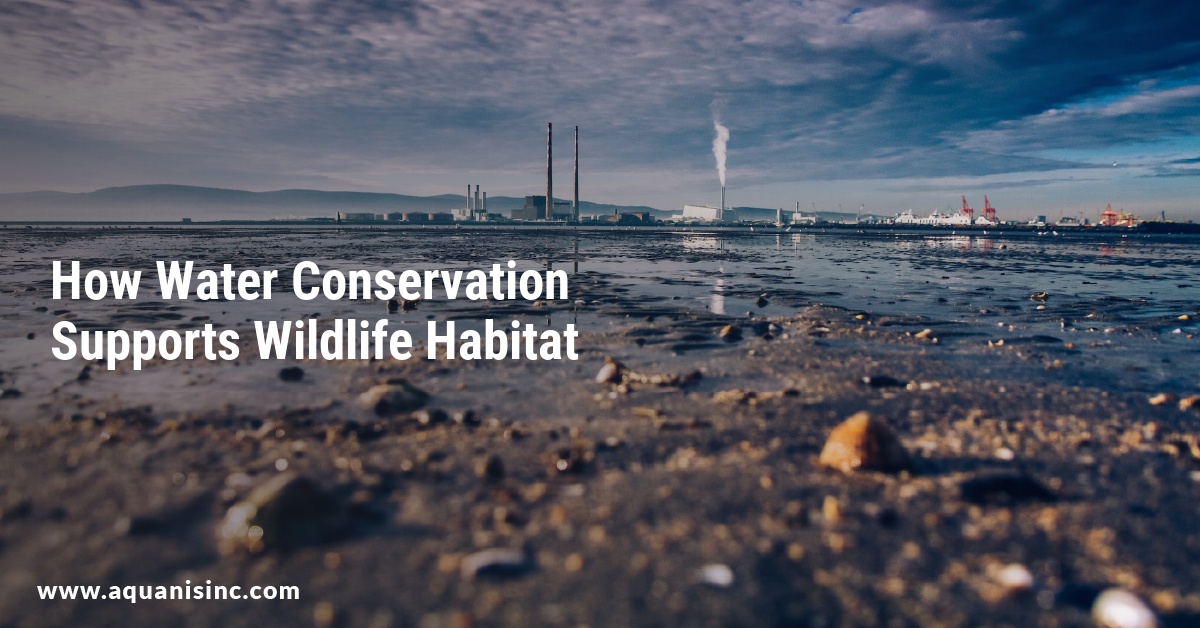
Water conservation is key to keeping river ecosystems and wetlands healthy. These places are vital for many species, giving them the resources they need to live. By saving water, communities can help protect these important habitats.
Impact on River and Wetland Ecosystems
River ecosystems cover about 3.5 million miles of channels in the U.S. They are essential for many species. Clean water is important for both humans and wildlife. Wetlands, like Okefenokee National Wildlife Refuge, need protection to prevent loss from pollution and over-extraction.
Benefits to Biodiversity
Healthy river and wetland ecosystems are good for biodiversity. They help fish species grow, supporting jobs in fishing. Coastal wetlands are also key for seafood, with half of U.S. seafood coming from them. Losing biodiversity harms both wildlife and people.
Mitigating Habitat Loss
Water conservation can help save important ecosystems. For example, habitat restoration projects have big benefits. The Southern Flow Corridor project in Oregon made areas safer and increased property values. These efforts help protect wildlife and make communities stronger against climate change and disasters.
Practical Water Conservation Strategies
It’s key to use water-saving tips every day to help wildlife habitats. Simple steps like turning off the tap while brushing teeth save a lot of water. Using water-efficient fixtures can also save thousands of gallons a year.
In your home and garden, saving water is even more critical. Smart irrigation controllers adjust watering schedules for plants, saving water. Mulching keeps soil moist, reducing the need for frequent watering.
Water usage affects us all, with agriculture using 70% of freshwater. Using high-efficiency washing machines and running full loads helps. Every small action helps in the big effort to save water, protecting our communities and ecosystems.

Matthew Reilly, a marine biologist and environmental writer, combines his passion for research with a mission to educate the public on water conservation. With over a decade of field experience, Matthew brings a wealth of knowledge and a unique perspective to the pressing issues of water pollution and ecosystem preservation.