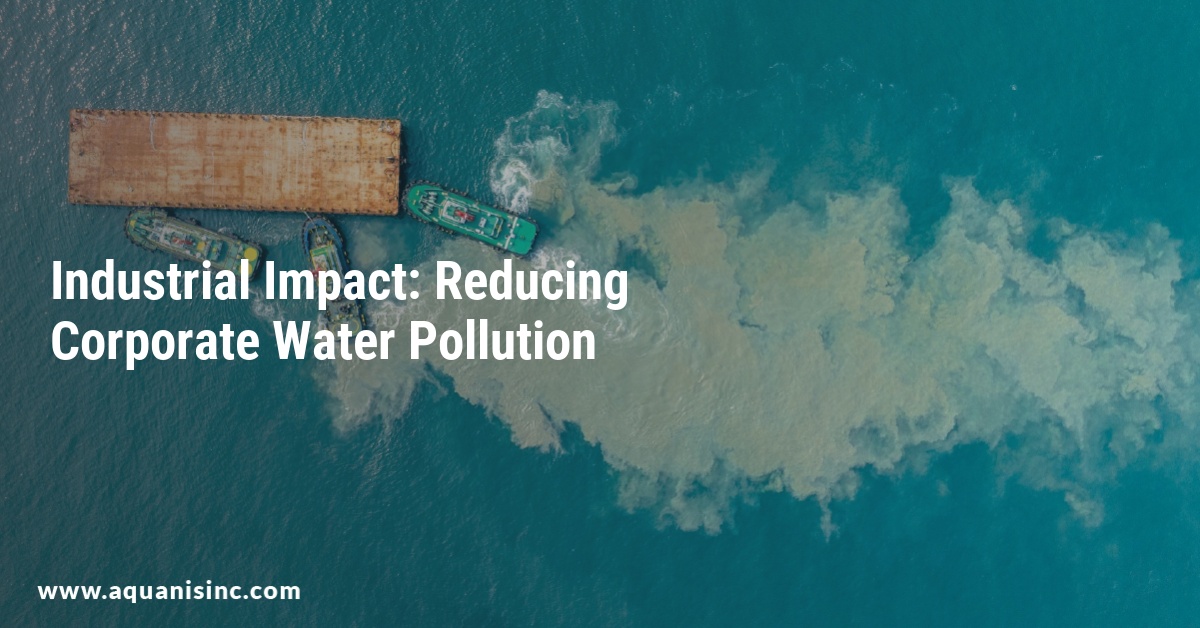
Welcome to our article on reducing water pollution caused by industrial activities and the crucial role that corporations play in safeguarding the environment. We believe that it is our collective responsibility to address the challenges and implement sustainable strategies to minimize industrial water pollution. By taking action, we can create a cleaner and brighter future for all.
The Unintended Consequences of Water Reduction on Industrial Operations
When it comes to reducing water pollution caused by industrial activities, we need to be mindful of the unintended consequences that may arise. While the goal is commendable, there are challenges that need to be addressed. One of the consequences is the increasing costs of treatment as concentrations in wastewater increase. This can lead to surcharges from utilities, putting a financial burden on industrial operations.
Another issue that arises from reducing water usage is the impact on downstream flows. By decreasing water flow, there is a potential for increased wear and tear on sewer systems. This can result in pipe damage, odors, and the need for more frequent maintenance. These infrastructure concerns can add to the operational costs and disrupt the smooth functioning of industrial operations.
To mitigate these unintended consequences, it is important for corporations to consider alternative approaches. One such approach is on-site water reuse, which can help reduce the demand on centralized systems. By implementing sustainable water practices and investing in water treatment systems, corporations can minimize their impact on the environment while still maintaining efficient operations. It is crucial for industries to find a balance between reducing water pollution and ensuring the smooth functioning of their operations.
The Responsibility of Corporations in Addressing Water Pollution
When it comes to addressing water pollution, corporations hold a significant responsibility. Improper dumping and waste disposal from industrial activities can have detrimental effects on water quality and the environment. While the Environmental Protection Agency (EPA) regulates certain chemicals in drinking water sources, many others remain unregulated, posing risks to both human health and the ecosystem.
It is crucial for corporations to actively engage in responsible water management practices to decrease their pollution impact. By adhering to EPA regulations and adopting sustainable waste disposal methods, businesses can mitigate damages and protect our water resources. This not only benefits the environment but also safeguards the health and well-being of millions of people who rely on clean water sources.
One particularly promising avenue for corporations looking to go beyond baseline EPA compliance is the adoption of electrochemical water treatment systems. Technologies such as flow electrochemistry for industrial water treatment are redefining how businesses approach wastewater management — enabling continuous, energy-efficient processing that significantly reduces harmful effluents before they ever reach natural waterways. By integrating these advanced systems into existing infrastructure, organizations demonstrate a genuine commitment to environmental stewardship rather than mere regulatory box-checking, positioning themselves as leaders in sustainable industrial practice.
Responsible water management goes beyond compliance with regulations. It involves implementing strategies to prevent pollution, promoting the use of environmentally-friendly materials and processes, and continually monitoring and improving practices. By investing in sustainable technologies, corporations can minimize their water pollution footprint and contribute to a cleaner and healthier future for all.
Key Points:
- Improper dumping and waste disposal from corporations significantly impact water quality.
- The EPA regulates certain chemicals in drinking water sources, but many others remain unregulated.
- Responsible water management involves adhering to regulations, adopting sustainable waste disposal methods, and implementing strategies to prevent pollution.
- Investing in sustainable technologies helps minimize water pollution and contribute to a cleaner future.
The Benefits of Sustainable Water Practices for Corporations
In today’s rapidly changing world, sustainable practices have become increasingly important for corporations. Embracing sustainable water practices not only helps protect the environment but also brings numerous benefits to businesses. Let’s explore how sustainable design, profitability, environmental regulations, and consumer demand play significant roles in shaping the future of corporations.
Sustainable Design for a Better Tomorrow
Sustainable design principles guide corporations in creating products and processes that minimize waste, reduce water consumption, and promote environmental stewardship. By integrating sustainability into their operations, companies can lower their environmental impact and reduce resource depletion. This, in turn, contributes to a cleaner and healthier planet for future generations.
Enhanced Profitability through Efficiency
Sustainable water practices not only benefit the environment but also have a positive impact on a corporation’s bottom line. Implementing water conservation measures can lead to significant cost savings by reducing water usage, lowering utility bills, and minimizing the need for expensive water treatment systems. By optimizing their water management strategies, businesses can improve operational efficiency and drive profitability.
Navigating Environmental Regulations and Compliance
In an era of increasing environmental regulations, corporations must stay ahead of the curve to ensure compliance. Adopting sustainable water practices enables companies to navigate regulatory frameworks effectively. By investing in water treatment systems and implementing responsible water management, businesses can meet legal requirements and protect valuable water resources. This proactive approach not only mitigates potential penalties but also strengthens the company’s reputation as an environmentally responsible entity.
Meeting Consumer Demand for Sustainability
In recent years, consumers have become more conscious of the environmental impact of their purchasing decisions. They seek out products and services from companies that align with their values and prioritize sustainability. By implementing sustainable water practices, corporations can meet consumer demand and strengthen their brand image. Being environmentally responsible can help businesses attract a growing base of environmentally-conscious customers, who are more likely to support and advocate for their products or services.
In conclusion, sustainable water practices offer a multitude of benefits for corporations. Incorporating sustainable design principles, optimizing profitability through efficiency, complying with environmental regulations, and meeting consumer demand for sustainability are essential steps in creating a greener and more prosperous future. By embracing these practices, businesses not only protect the environment but also enhance their reputation, drive profitability, and contribute to a more sustainable world for all.
Effective Strategies to Reduce Water Pollution in Industrial Areas
To effectively reduce water pollution in industrial areas, corporations can employ various strategies that focus on sustainable practices, responsible waste management, and active stakeholder engagement.
Implementing Green Chemistry Principles
One approach is to adopt green chemistry principles, which emphasize the use of biodegradable or recyclable materials and the reduction of hazardous substances. By implementing these principles, corporations can minimize their environmental impact and reduce water pollution caused by harmful chemicals.
Utilizing Water Treatment Systems
Water treatment systems play a crucial role in removing pollutants from wastewater generated by industrial activities. By investing in efficient water treatment technologies, corporations can minimize the release of harmful substances into water bodies, ultimately leading to cleaner water and healthier ecosystems.
Promoting Water Conservation Practices
Water conservation practices are another important strategy for reducing water pollution in industrial areas. By implementing water-efficient devices and alternative water sources, corporations can reduce their water consumption and minimize the amount of wastewater generated. This not only helps protect water resources but also contributes to cost savings for the company.
Conducting Environmental Audits and Engaging Stakeholders
Regular environmental audits can help identify areas for improvement in terms of water pollution prevention. These audits assess a company’s compliance with regulations, identify potential risks, and provide guidance for implementing sustainable practices. Additionally, engaging with stakeholders, including local communities and environmental organizations, fosters collaboration and support for pollution reduction efforts.
By adopting these effective strategies, corporations can make significant progress in reducing water pollution in industrial areas. Implementing green chemistry principles, investing in water treatment systems, promoting water conservation practices, and engaging with stakeholders are critical steps towards achieving a cleaner and more sustainable future.
Conclusion: Working Towards a Sustainable Future
In conclusion, we must all work together to create a sustainable future by addressing industrial water pollution. This requires a shift towards a circular economy model, where resources are used efficiently and waste is minimized. By embracing responsible business practices and holding corporations accountable, we can create a cleaner and healthier environment for generations to come.
The adoption of a circular economy model is crucial in minimizing waste and maximizing resource efficiency. This entails recycling and reusing materials, reducing water consumption, and implementing sustainable manufacturing practices. By prioritizing the principles of the circular economy, corporations can minimize their environmental impact and contribute to a more sustainable planet.
Responsible business practices are essential in achieving our goal of reducing industrial water pollution. By adhering to regulations, properly disposing of waste, and implementing effective water treatment systems, corporations can play a significant role in protecting our water resources. Additionally, engaging with stakeholders and collaborating with local communities fosters a sense of shared responsibility and drives positive change.
Corporate accountability is crucial in the journey towards a sustainable future. It is the responsibility of corporations to prioritize the common good and implement sustainable practices across their operations. By embracing transparency, actively seeking feedback, and continuously improving their environmental performance, corporations can lead the way in reducing industrial water pollution and creating a better world for all.

Matthew Reilly, a marine biologist and environmental writer, combines his passion for research with a mission to educate the public on water conservation. With over a decade of field experience, Matthew brings a wealth of knowledge and a unique perspective to the pressing issues of water pollution and ecosystem preservation.