The Causes of Water Pollution
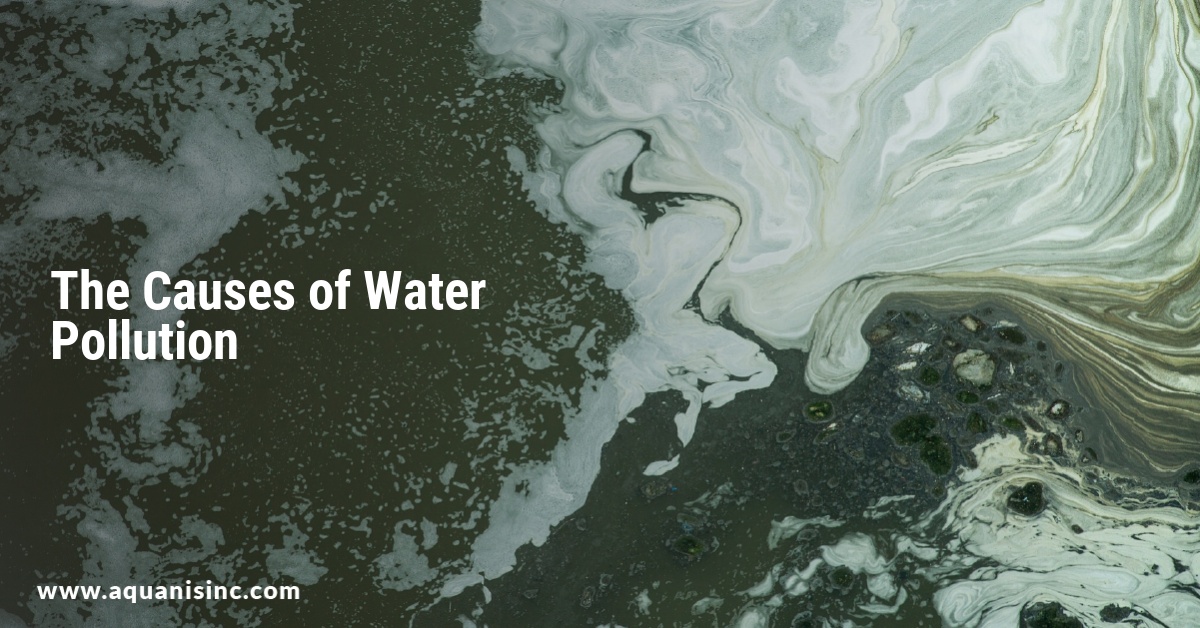
The cause of water pollution can be attributed to a number of different factors. These factors can range from oil spills to factory farms. Whether these are the primary causes or not, it is important to understand how they can affect our environment.
Solid waste
In addition to causing land pollution, solid waste can also contaminate groundwater. This happens when waste is disposed improperly. A few examples include illegal dumping, discharge of wastewater from industry, and spraying herbicides. These practices can be harmful to human and animal health.
The best way to manage waste is to ensure it is disposed in a safe manner. Proper treatment can prevent toxic chemicals from being deposited into soil. It can also reduce the risk of pollutants being released into the air.
Another important step is reducing the quantity of waste that is produced. Today, more than one billion metric tons of MSW are discarded worldwide. This figure is expected to rise to 2.2 billion metric tons by 2025.
Managing waste has several benefits, including fewer emissions, reduced consumption, and healthier communities. However, managing an ever-increasing volume of waste is a challenge. Some key issues include the integration of the informal sector, developing effective regulations, and increasing the collection and analysis of solid waste data.
Several technologies are available for the management of solid waste. These technologies range from waste collection to transport, disposal, and transformation. Waste processing, recycling, and reuse can be used to minimize environmental damage.
The production of solid waste is inevitable. This includes food waste, construction waste, and a variety of other liquid and solid materials. When treated properly, waste can be converted to fuel, energy, or humus.
Oil spills
Oil spills are a major cause of water pollution. They affect marine and coastal life, as well as air and land. A single gallon of oil can cause an environmental catastrophe.
The most common type of oil spill is from ships, but a variety of other sources can also lead to a spill. Some of the most common ways are by trucks, factories, and storage facilities.
Oil is made from gas and light fluids, which are broken down by natural processes. During these processes, bacteria break down the petroleum. This can include sulfate-reducing bacteria and general aerobic bacteria.
Eventually, the oil breaks down into carbon dioxide and water. However, some of the oil stays on the ocean’s surface. It can be harmful to other species as it interferes with their ability to float. When it reaches the beach, it blocks sunlight.
If oil is ingested, it can poison animals. Birds, for example, are susceptible to hypothermia, which can kill them if they are covered in oil. Another major threat is that oil can smother the animal.
Oil spills are an irreparable damage to the environment. They can take years to clean up. These types of leaks can cost hundreds of millions of dollars to clean up.
Oil can also contaminate inland waters and waterways. This can affect fishing, recreational activities, and water supply.
Oil spills are a major problem for many of the world’s most economically vulnerable communities. For instance, in the United States, more than 40,000 oil spills occur each year.
Heat
Thermal pollution is a process that affects the quality of water. It happens when heated discharge from an industrial facility flows into a natural body of water. This can cause major problems to the surrounding ecosystem. In some cases, it can result in the death of aquatic creatures and the extinction of entire species.
The most common source of thermal pollution is industrial plants. They include nuclear power plants, coal-fired power plants, and production and manufacturing plants. These industries often use water to cool their machinery. Water is then re-pumped back to the source, usually at a higher temperature.
Thermal pollution causes changes in the chemistry of the water. It can cause the growth of algae blooms and lower the oxygen content of the water. Blue-green algae, for example, can choke out fish and other organisms.
Thermal pollution can also affect the food chain. When animals migrate to warmer environments, their dietary needs may change. If animals die, they may be replaced by other creatures that thrive in the new environment. Changing the food chain can alter the local ecology.
Thermal pollution is a common problem in the world today. Natural events such as volcanic eruptions, lightning strikes, and wildfires can contribute to this pollution. Other sources include sewage, industrial waste, and petroleum refineries.
Some industries have made changes to reduce their impact on the environment. In addition, reforestation and environmental legislation can help control thermal pollution.
Factory farms
Factory farms are the largest source of water pollution in the United States. These industrial livestock operations produce more than a billion tons of waste each year.
The water quality of more than 3000 square miles of bays and rivers is affected by these facilities. They pollute the environment, and cause toxic algae blooms. Waterways that receive excess nitrogen and phosphorus from manure can lead to massive algae blooms that can destroy marine life.
Industrial farming uses a large amount of chemical fertilizer and herbicides. It also relies on huge amounts of animal manure. Both of these factors pose an enormous threat to the health of our waterways.
A large factory farm can produce as much excrement as a small city. The waste is stored in giant open air cesspools that are not spill proof. In the case of Hurricane Florence, more than 100 manure lagoons flooded on industrial hog farms across the nation.
The Clean Water Act is the primary legislation for monitoring and controlling water pollution. However, the current NPDES permits issued by the Environmental Protection Agency are inadequate.
These regulations are primarily focused on nutrient pollution. But, they do not address the more harmful pathogen and chemical toxins that can enter our waterways.
According to the Environmental Protection Agency, nearly three-quarters of factory farms discharge their pollutants. Although there have been several instances of pollution never prosecuted, the agency has yet to issue any stricter regulations for factory farms.
Non-point source pollution
Nonpoint source pollution is one of the most critical water quality threats facing the United States. It affects our drinking water, recreational activities, and fisheries. As a result, it is necessary to take steps to reduce the amount of pollutants in our waterways.
One of the best ways to combat nonpoint source pollution is through a Coastal Nonpoint Source Pollution Control Program. The program allows state and federal agencies to work together to develop enforceable measures to protect coastal waters. In addition to these programs, it is important to find ways to reduce the impact of new construction on coastal resources.
A Statewide Nonpoint Source Management Plan serves as an up-to-date tool for controlling NPS pollution. It is reviewed by the Environmental Protection Agency every five years.
Another effective mechanism for addressing NPS pollution is the Massachusetts Wetlands Restoration and Banking Program. This is a very effective tool that can help reduce the impacts of stormwater runoff on our wetlands.
While wetland banking programs address the downstream consequences of development, agricultural land uses present a distinct and equally pressing category of nonpoint source pollution. Fertilizers, pesticides, and animal waste applied across croplands and pastures are carried by rainfall and irrigation runoff directly into adjacent streams and rivers, introducing elevated concentrations of nitrogen and phosphorus into aquatic systems. the effects of agricultural runoff on water quality extend far beyond the field’s edge, disrupting nutrient cycles and degrading habitat for aquatic species.
Agricultural land uses often release excess nutrients into streams and rivers. These nutrients can overstimulate aquatic plant growth. Also, acid mine drainage damages the membranes of aquatic insects.
Nonpoint source pollution is also a contributing factor to acid rain. Acid rain is formed when sulfur dioxide and nitrogen oxides combine with water. Similarly, the effluent of a wastewater treatment plant introduces harmful microbes into our waterways.
Nonpoint source pollution can be a source of airborne pollutants, such as pesticides and metals. When raindrops pick up these pollutants, they mix with other pollutants. Typically, these contaminants are picked up by the rain and carried to the ocean or a river. They may also be deposited in lakes and wetlands.
Effects on plants, animals and birds
Water pollution affects aquatic life in a variety of ways. It is a serious issue that needs to be addressed. Some of the many effects include lowered oxygen content, physical deformities, increased risk of disease, and reduced reproductive power.
Among the most common pollutants are heavy metals, chemicals, pesticides, and veterinary drugs. These pollutants affect the fitness and reproduction of birds. They can cause physical deformities, neurotoxicity, and premature death.
Besides, they affect the health of humans and other animals. For example, excess mercury in fish causes adverse effects on the development of the central nervous system in young children. This is a particularly bad situation, as it can pose a threat to pregnant women.
Ozone is another major pollutant, which is formed through the photochemical transfer of oxygen. When ozone levels rise, the smog is a health hazard and contributes to climate change. Likewise, acid rain is a toxic environmental hazard that can kill wildlife.
Other types of pollutants include light, noise, plastics, and air pollution. Each has its own impact on bird populations.
While the impact of air pollution on birds is well known, little is understood about the cumulative effects of all these stressors. This is particularly true of the effects of polycyclic aromatic hydrocarbons.
A number of studies have investigated the effects of these chemicals on birds. The research has included measuring oxidation damage in urban environments, using a variety of biomarkers, and assessing the routes of specific contaminants.

Matthew Reilly, a marine biologist and environmental writer, combines his passion for research with a mission to educate the public on water conservation. With over a decade of field experience, Matthew brings a wealth of knowledge and a unique perspective to the pressing issues of water pollution and ecosystem preservation.