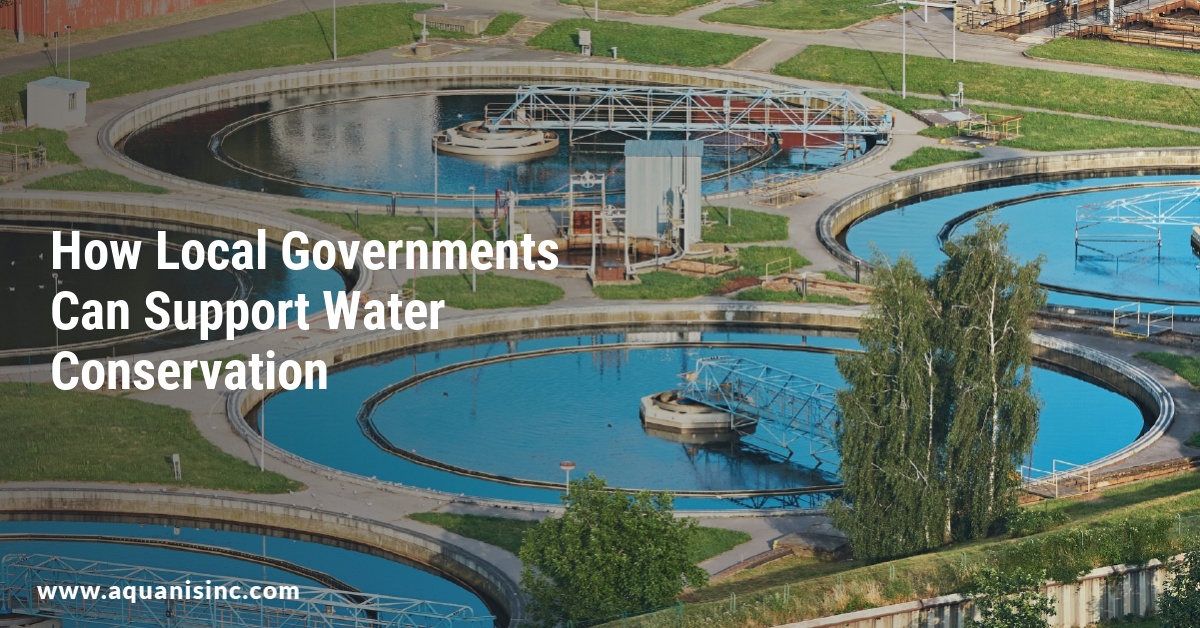
Local governments play a key role in promoting water conservation. They face challenges like climate change, growing populations, and limited water. By setting local rules and policies, they can manage resources better.
This helps protect water sources like rivers, underground water, drinking water, and wetlands. It also improves the health and wellbeing of communities.
Beyond human communities, conservation efforts extend their benefits to the natural world as well. Maintaining adequate water levels in rivers, wetlands, and aquifers is essential to sustaining the ecosystems that wildlife depend on year-round. The relationship between water conservation and wildlife habitat underscores why responsible usage policies matter beyond the household or municipal level—healthy water systems support biodiversity, stabilize ecosystems, and ultimately reinforce the same environmental conditions that keep human communities thriving.
Local governments can use smart water management plans and community projects. They work with state and federal programs too. This helps them meet the needs of their ecosystems.
They focus on using water in a sustainable way. Their efforts are essential for managing these vital resources.
Understanding the Role of Local Governments in Water Conservation
Local governments are key in making water conservation work for their communities. They create local rules and work with others to protect water quality and manage watersheds.
Importance of Local Regulations
Local rules are essential for enforcing water-saving actions that bigger governments might miss. They let local officials tackle specific needs and conditions. For instance, in the St. Johns River Water Management District, lawn watering is limited to twice a week during daylight saving time.
This rule is important because watering lawns is a big part of home water use. It can use over 1,000 gallons each time. Local zoning laws also help protect nature and keep water clean. They limit when and how often you can water your lawn.
Local governments must check their water supply needs and update plans as needed. This ensures they’re managing water wisely.
Cooperative Efforts with State and Federal Programs
Working together with state and federal programs makes water management better. The Central Florida Water Initiative is a good example. It brings together different groups to tackle water supply issues in certain areas.
Local governments must work with water management districts. They need to have plans that include saving water and improving water systems. Agencies like the United States Environmental Protection Agency and the Florida Irrigation Society offer help and advice. They support local governments in making plans that protect water now and for the future.
How Local Governments Can Support Water Conservation
Local governments are key in helping communities save water. They can make a big difference by using smart methods. This includes steps to better manage water and use it wisely.
Implementing Efficient Water Management Strategies
Local governments need to cut down on water use. Using smart irrigation can save up to 26% of water. Xeriscape landscaping also saves water and looks good.
Beyond reducing outdoor water demand through smart irrigation and drought-tolerant plantings, households can further stretch their water supply by reusing water that has already cycled through the home. greywater recycling systems for homeowners capture lightly used water from sinks, showers, and laundry — redirecting it for landscape irrigation or toilet flushing rather than sending it straight to the drain. This approach significantly reduces reliance on municipal or well water supplies and pairs naturally with other on-site collection strategies, such as rainwater catchment cisterns, to create a layered and resilient water management plan.
Installing rainwater catchment cisterns is another smart move. It uses rainwater for irrigation, saving even more water.
Improving Water Systems in Municipal Facilities
Municipal facilities are a big focus for saving water. Upgrading plumbing and irrigation systems can cut water use a lot. For example, new designs can save 20% indoors and 50% outdoors.
Joining WaterSense programs helps spread the word. It encourages everyone to use water more wisely.
Smart technologies and efficiency programs like WaterSense address how water is used, but the physical layout of cities and neighborhoods shapes how much water is needed in the first place. urban design strategies for water conservation — from green infrastructure and permeable surfaces to thoughtful placement of green spaces — work hand-in-hand with efficiency tools to reduce overall demand. This connection between built environment planning and resource management sets the stage for understanding how land use decisions and zoning policies can protect water supplies at a community-wide scale.
Proactive Zoning and Land Use Planning
Zoning and land use planning are critical for protecting water. By using science, local governments can avoid water problems. Limiting hard surfaces and adding natural buffers improve water quality.
Creating water-saving landscaping rules is also important. It shows a long-term commitment to using water well.
Community gardens offer a compelling middle ground between individual landscaping choices and broader civic engagement. When residents share a plot, they naturally adopt water-efficient practices — drip irrigation, mulching, drought-tolerant planting — and carry those habits back to their own yards. The social dimension matters just as much as the horticultural one: tending a garden alongside neighbors sparks conversations about resource stewardship that no pamphlet can replicate. The growing body of evidence around how community gardens promote water conservation shows that shared green spaces can meaningfully reduce municipal water demand while building the kind of community awareness that sustains conservation efforts long-term.
Innovative Solutions for Community Engagement
It’s key to teach communities about water conservation for long-term water management. Local governments can lead by starting educational programs. These programs include workshops and sessions that teach about saving water.
Municipalities can use social media and team up with local groups to get more people involved. This way, they can share important water-saving tips and get residents to take action. Finding the right balance between cost and saving water helps more people join in.
Starting leak detection and repair programs can help low-income families save money and water. By teaching and working with the community, local governments can create a culture that values water. This ensures future generations will also protect this precious resource.

Matthew Reilly, a marine biologist and environmental writer, combines his passion for research with a mission to educate the public on water conservation. With over a decade of field experience, Matthew brings a wealth of knowledge and a unique perspective to the pressing issues of water pollution and ecosystem preservation.