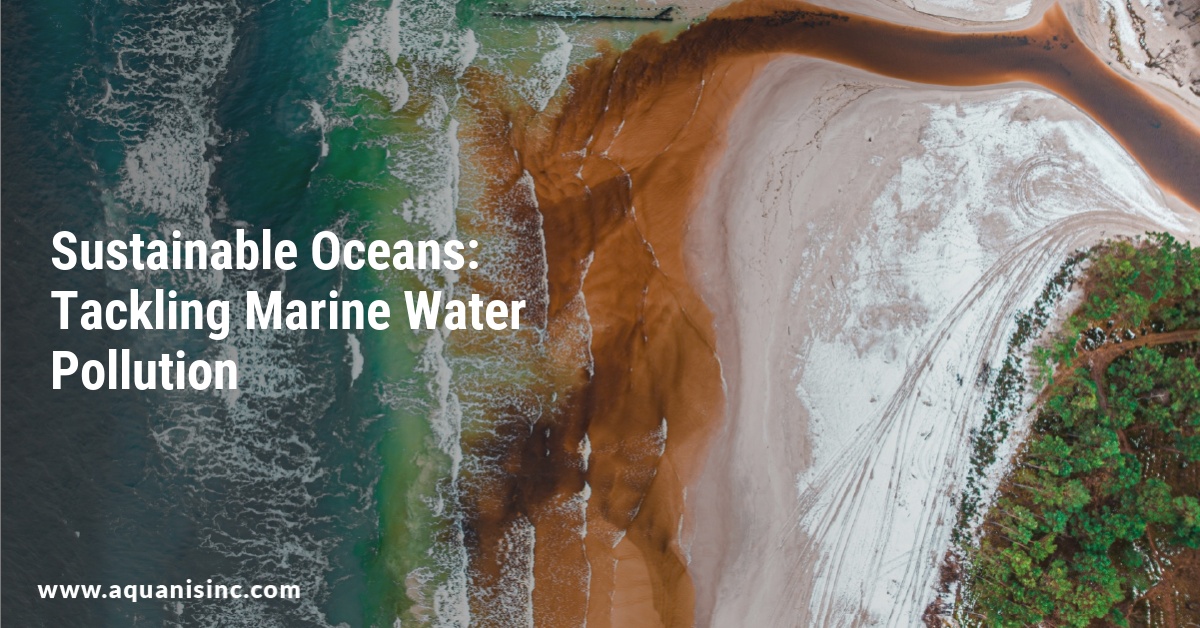
Welcome to our article on sustainable oceans and the urgent need to combat marine water pollution. At present, our oceans are facing a grave threat due to the dumping of pollutants, such as plastics and toxic chemicals. This unsustainable practice jeopardizes the health of marine ecosystems and the future of our planet.
Plastics, in particular, represent a significant and hazardous portion of marine litter, causing the loss of billions of dollars in essential ecosystem services annually. Even the remote Arctic is not immune to plastic pollution, as currents and wind carry plastic debris to its shores.
To safeguard our oceans and secure a sustainable future, it is imperative that we take action against marine water pollution. By addressing this pressing issue, we can preserve the delicate balance of marine ecosystems and ensure the well-being of our planet for generations to come.
The Impact of COVID-19 on Marine Pollution
The COVID-19 pandemic has had a significant impact on marine pollution, particularly in relation to single-use plastics. With the increased use of face masks, gloves, and other protective equipment, there has been a surge in plastic waste that is ending up in landfills and polluting our oceans. In fact, China alone produced 116 million single-use face masks per day in February 2020, further exacerbating the issue.
This rise in plastic waste has reversed progress in reducing plastic pollution, as some countries have weakened their laws on single-use plastic products due to miscommunication regarding their safety during the pandemic. As a result, the global plastic packaging market continues to grow, adding to the problem of plastic pollution in our oceans.
To prevent further pollution of our oceans, it is essential that we prioritize the proper management and disposal of COVID-19-related waste. This includes improving waste management systems, promoting the use of reusable alternatives to single-use plastics, and implementing effective recycling and waste reduction programs. By taking these steps, we can help protect our marine ecosystems and ensure a sustainable future for our oceans.
Innovative Solutions for Marine Pollution Prevention and Monitoring
Addressing the urgent issue of marine pollution requires innovative solutions that focus on both prevention and monitoring. These advancements play a crucial role in protecting our oceans and ensuring their sustainability for future generations. Let’s explore some of the key preventive solutions and monitoring technologies that are being developed and implemented.
Preventive Solutions:
Effective preventive measures are essential to stop marine litter from entering our oceans in the first place. One approach is to improve wastewater treatment plants to remove microplastic pollution before it reaches water bodies. Additionally, promoting sustainable production practices and encouraging the use of eco-friendly alternatives to single-use plastics can significantly reduce marine pollution. These solutions require collaboration between governments, industries, and individuals to create a comprehensive and effective approach.
Monitoring Technologies:
Monitoring technologies are crucial for understanding the extent of marine pollution and identifying areas that require immediate attention. Advancements in sampling techniques, detection technologies, and modeling approaches enable scientists to accurately measure and analyze the levels of marine litter. This information helps in designing targeted strategies and interventions. By continuously monitoring the state of our oceans, we can make informed decisions and take prompt actions to combat marine pollution.
Tackling Marine Litter:
The accumulation of marine litter is a significant concern that requires comprehensive approaches. In addition to preventive measures, cleaning solutions such as manual beach clean-ups are being implemented to remove existing litter from coastal areas. However, it is crucial to address the accumulation of marine litter in all environmental compartments, including the deep sea and Arctic regions. By developing integrated strategies and leveraging technology, we can effectively tackle marine litter and reduce its impact on marine ecosystems.
The Role of Collaboration and Policy in Combatting Marine Pollution
Addressing marine pollution is a global challenge that requires collaboration and collective action. Governments, the private sector, civil society, and individuals must come together to implement effective solutions and protect our oceans for future generations.
Global Collaboration
The fight against marine pollution demands a united front. Global collaboration is crucial to exchange knowledge, share best practices, and coordinate efforts. By working together, we can pool resources, leverage expertise, and multiply our impact. International partnerships and alliances enable us to tackle this complex issue on a larger scale and address its root causes.
Public-Private Partnerships
Public-private partnerships play a vital role in combatting marine pollution. Bringing together the expertise and resources of both sectors allows for innovative and sustainable solutions. Governments can create incentives and provide regulatory frameworks to encourage private sector engagement, while businesses can contribute their technical know-how and financial support. By working hand in hand, we can develop and implement effective strategies to reduce pollution and promote sustainable practices.
Policy Interventions
Strong policy interventions are essential to drive change and create a sustainable future for our oceans. Governments must enact and enforce stringent regulations to reduce the production and consumption of single-use plastics, improve waste management systems, and promote circular economy principles. Legislation can also encourage the development and adoption of eco-friendly alternatives, such as biodegradable materials and renewable energy sources. By implementing forward-thinking policies, we can create a supportive environment for sustainable practices and ensure that our oceans thrive.
Taking Action to Protect Our Oceans
We are at a critical juncture in the fight against marine pollution, and it is imperative that we take action to protect our oceans and promote a sustainable blue economy. By integrating sustainable practices into recovery and stimulus packages, we can ensure that our economic growth is not achieved at the expense of our planet.
Supporting nature-positive innovation is key to finding long-term solutions to marine pollution. By investing in research and development, we can advance technologies and practices that minimize the negative impact on our oceans and maximize their sustainability.
Education and awareness are crucial in empowering individuals to make sustainable choices and take part in ocean conservation efforts. By promoting ocean literacy, we can foster a sense of responsibility and inspire the next generation to become environmental stewards. It is through collective action that we can create a clean and resilient ocean that supports a sustainable future for all.

Matthew Reilly, a marine biologist and environmental writer, combines his passion for research with a mission to educate the public on water conservation. With over a decade of field experience, Matthew brings a wealth of knowledge and a unique perspective to the pressing issues of water pollution and ecosystem preservation.