Preventing Water Pollution
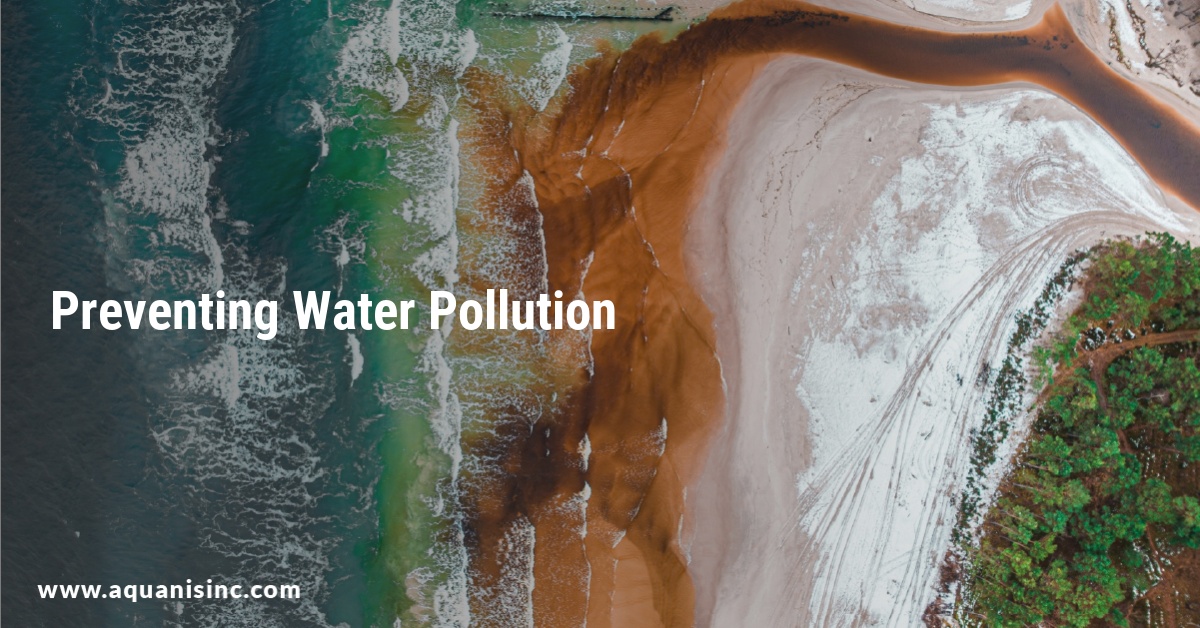
Preventing water pollution is one of the best ways to preserve the water we drink, use and swim in. The problem arises when there is sewage or wastewater overflowing, or groundwater contamination. This article discusses some steps you can take to reduce this problem.
Groundwater contamination
Keeping groundwater clean is critical for our well-being. It is the source of drinking water, but it is also essential for irrigation. However, it can be very difficult to monitor and clean.
Groundwater does not exist in isolation — it is part of a larger, interconnected freshwater system that includes rivers, lakes, and wetlands. Aquifers often feed surface water bodies directly, meaning that contamination below ground can ripple outward into the broader environment. This relationship underscores why protecting rivers and lakes from freshwater pollution is just as urgent as safeguarding underground sources. When any one component of the freshwater cycle is compromised, the consequences extend well beyond a single water source, affecting ecosystems, communities, and public health across entire watersheds.
Contaminated groundwater can cause severe diarrhea, dehydration, and death. Besides human health, it can affect animals and plants. Fortunately, there are many ways to help prevent and clean up groundwater contamination.
For example, states have developed groundwater management plans. These plans vary by pollution type, population density, and physical dimensions of the groundwater resource. Depending on the plan, different standards will be applied.
The federal government has a number of laws in place to protect groundwater quality. Some of these are the Clean Water Act and the Safe Drinking and Toxic Enforcement Act of 1986. Both of these act to ban the discharge of known toxic substances.
In addition, the Environmental Protection Agency (EPA) has the ability to restrict the use of certain chemicals in particular locations. Also, some states have introduced legislation to protect groundwater.
A recent study estimates that a third of the country is susceptible to groundwater contamination. This includes nine-tenths of counties with a population of less than 20,000 and 1.1 million people in completely rural counties.
Groundwater can spread pollutants far from the original pollutant’s source. As a result, industries in affected areas may be forced to close, and land values can be depreciated.
If you’re worried about the potential for groundwater contamination, contact your local environmental official. He or she can tell you how to protect your groundwater. Alternatively, you can find a qualified well driller and plumber to help you build a new well or improve the quality of your existing one.
While protecting your own well and groundwater supply is a critical first step, individual households also contribute to water pollution in ways that extend far beyond a single property. Everyday activities—from pouring chemicals down the drain to overusing lawn fertilizers—can feed pollutants into broader water systems. Understanding household contributions to water pollution helps put these risks in perspective and underscores why responsible habits at home matter on a systemic level, especially as sewage and wastewater overflows continue to threaten water quality across communities.
Beyond individual well management, broader community involvement plays a critical role in protecting local water supplies. Neighbors, local organizations, and advocacy groups can work together to monitor pollution sources, report violations, and push for stronger protections at the municipal level. These collective efforts complement the guidance of environmental professionals and extend the reach of water safety practices far beyond a single household. Exploring community action strategies for water pollution can help residents understand how organized, neighborhood-level responses address both groundwater contamination and the wastewater challenges that will be covered next.
Sewage and wastewater overflows
Sewage and wastewater overflows pose a serious environmental and public health risk. These pollutants are harmful to aquatic life and affect water quality.
Overflows can occur due to heavy rain, faults in the sewer system or illegal connections. They can also occur from poorly fitting inspection holes. Ultimately, the volume of water entering the sewer system will determine the severity of the overflow.
Sewage and wastewater overflows can introduce viruses, bacteria, and other pathogens that can spread to other areas. In addition, they can eutrophicate the groundwater. This is one of the reasons why the Department of Environmental Protection is investing billions to improve New York’s wastewater infrastructure.
Since 2016, the New York State Department of Environmental Protection has been working to minimize sewage and wastewater overflows. The department has already implemented nine Long Term Control Plans and has begun to make plans for the future.
The first step was to allocate $2 1/2 billion to the Clean Water Infrastructure Act. Now, DEP is working on 11 Long Term Control Plans. Those plans will address sewage and wastewater overflows in all five boroughs.
In order to implement these plans, DEP has been using complicated cost-benefit analyses. For example, the plan would reduce CSO discharges by 241 million gallons per year.
Although a major investment in wastewater infrastructure is underway, the city still faces problems with sewer overflows. Approximately 90 million gallons of sewage polluted the park beach in 2016.
The Citywide/Open Waters plan would reduce CSO discharges by 86 million gallons in a typical year. It would also cut sewage overflows by 1.7 percent.
In recent years, the city’s waters have become the cleanest in 100 years. But the shorelines are littered with black sediment and debris.
Plastic shopping bags and rings
One of the biggest problems with plastic is that it is not biodegradable. When it is thrown away, toxic pollutants make their way into the local water supply. This can also affect the health of human and animal inhabitants alike.
There are several ways to solve the problem, including a ban on single use plastic bags and a new recycling law that requires manufacturers to pay a fee for the waste that their products create. The best solution is to find plastic substitutes that are less likely to end up in landfills. For example, a reusable water bottle is an eco-friendly alternative.
While the new law was not a silver bullet, it did help to make some environmentalists breathe a little easier. Some states are now looking to pass their own plastic bag-less laws. A study by the California Air Resources Board found that, when implemented, the ban had a measurable impact on coastal pollution.
The Department of Environment also threw its hat into the ring by developing an integrated management strategy for plastics. This includes a database and a cross-referenced set of data from international data analytics firms. It was a worthwhile exercise. The Department of Transportation also gave it a go by identifying fourteen SUP categories that were worthy of the attention.
Of course, there are countless other measures to consider, like where to put them, and how to pay them back. Until then, the new law is a reminder to keep the big picture in mind. As with any good waste management plan, there is always more to do. Using the most efficient method to dispose of plastic is the only way to ensure our precious waterways stay clean.
Tree-planting reduces erosion
A large canopy of trees can reduce soil erosion and water pollution. Trees provide many benefits to urban communities. They filter stormwater, improve air quality, reduce runoff, and reduce urban heat island effects.
In addition to providing environmental benefits, trees can enhance the aesthetic appeal of a landscape. Trees provide habitat for pollinators and wildlife.
A tree’s root system is particularly helpful in preventing erosion. They absorb pollutants and store carbon dioxide. The roots also stabilize soil. They help in reducing the force of strong winds.
A study in Minneapolis showed that a single tree intercepts about 1,685 gallons of rainwater each year. This amount is enough to fill 2,300 bathtubs!
Trees can reduce stormwater runoff by preventing sediment from entering sewers and rivers. Trees can improve the appearance of a city by shading unsightly views. Their presence can even ward off unwanted noise.
If you live in an urban environment, you should consider planting a tree. Trees help mitigate the impact of floods, hurricanes, tornadoes, and other extreme weather events.
One of the most impressive features of trees is their ability to trap pollutants in their leaves. These include odors, particulates, and carbon dioxide. Trees can also screen unsightly views, making them a great choice for an outdoor garden.
Trees also prevent the erosion of essential soil. Heavy rainfall can wash away much of the top layer of soil. It can also cause foundation damage.
For this reason, it is important to protect existing trees from construction activities. A recent study found that a single tree can intercept as much as 2% of a building’s storm water runoff.
Moreover, a healthy tree canopy can significantly increase atmospheric moisture. This evapotranspiration, or transpiration, helps cool air in summer.
Buying sustainable meats
Buying sustainable meats is a good way to avoid water pollution. The animal agriculture industry is a major cause of deforestation, water pollution, and other environmental issues. However, it also produces some positive impacts. For example, a plant-based meat production system uses less land and uses up to 90% less water than conventional meat.
In order to produce sustainable meats, the animals must be raised according to animal care standards. They are also given the opportunity to roam and live a healthier life. Meat from animals raised for sustainable meat production is higher in omega-3 fatty acids and lower in fat than conventionally raised meat.
Whether you are interested in eating sustainably-sourced meats or not, it is important to understand the impact on the environment. Animal agriculture is responsible for a large share of the world’s greenhouse gas emissions. It is estimated that livestock production generates as much as all of the world’s cars.
Conventional meat production systems require high levels of water and energy. Aside from their negative impact on the environment, they are also a large source of land and air pollution. Therefore, there is a strong need for a more efficient diet. Choosing more plant-based foods will also help reduce your carbon footprint.
Grass-fed meat is produced in a more humane manner. Farms that raise grass-fed animals are able to provide a healthier environment for the animals, and the animals are more likely to be happy and healthy.
Chicken, which produces 2.33 kg of CO2 per kg of meat, has a lower water use than other meats. Similarly, pig farming has a low water use, but is more energy-intensive than slaughtering chicken or ruminants.

Matthew Reilly, a marine biologist and environmental writer, combines his passion for research with a mission to educate the public on water conservation. With over a decade of field experience, Matthew brings a wealth of knowledge and a unique perspective to the pressing issues of water pollution and ecosystem preservation.