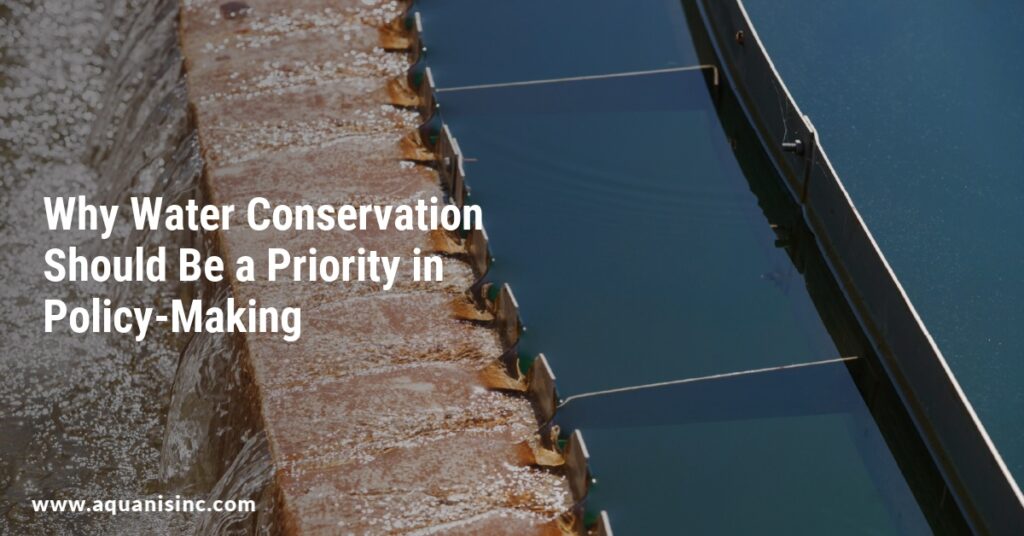

Water conservation is key for commercial buildings. It helps the environment and saves money. Offices and sports complexes use a lot of water, often because of old plumbing and bad practices.
By using water-saving strategies, businesses can cut down on waste. They can also show they care about the planet. This makes them look good in the eyes of customers and investors.
Multi-unit residential properties present their own distinct set of conservation challenges. With dozens — sometimes hundreds — of tenants sharing a single infrastructure, the potential for water waste compounds quickly, making proactive management essential. The water conservation strategies for apartment complexes differ meaningfully from those applied to single-family homes or commercial spaces, requiring building managers to think systematically about shared systems, tenant behavior, and metered accountability. Addressing these factors early builds a strong foundation before diving into the specific efficiency measures that follow.
One of the most impactful steps a business can take is investing in its plumbing infrastructure. Outdated fixtures and inefficient systems quietly drain both water and operating budgets, often going unnoticed until the utility bills arrive. Upgrading to modern, water-conserving plumbing system solutions gives businesses a practical, measurable way to reduce consumption while reinforcing their commitment to sustainability—a combination that resonates strongly with eco-conscious clients, partners, and stakeholders alike.
Changing old plumbing to new, efficient systems is a big help. For example, new dishwashers use much less water. A water audit can find ways to use even less water.
Hospitals face unique demands when it comes to water conservation, given the volume of water required for patient care, sterilization, and HVAC systems. Implementing best practices for water conservation in hospitals — from sensor-activated fixtures to cooling tower optimization — gives facility managers a structured framework for reducing consumption without compromising care quality. These targeted strategies work hand-in-hand with water audits and plumbing upgrades, turning raw findings into actionable steps that deliver measurable cost reductions and a smaller environmental footprint.
These steps not only save money on bills. They also make a business a leader in saving water. This is good for the planet and for the business’s image.
Understanding Water Usage and Waste in Commercial Settings
In commercial settings, knowing how much water is used and wasted is key. A detailed water audit is the first step. It helps find where water is wasted, so managers can fix it and save water.
Assessing Water Usage in Commercial Buildings
Water use changes a lot in different commercial buildings. For example:
- Offices use 20-30 gallons of water per employee per day for restrooms, kitchens, and cleaning.
- Hotels use 100-200 gallons of water per room daily for guests, laundry, kitchens, and landscaping.
- Restaurants use 3,000-7,000 gallons of water per day for cooking and washing dishes.
- Retail stores use 25-35 gallons of water per customer per day for restrooms and cleaning.
- Healthcare facilities use 120-150 gallons of water per bed daily for sanitation and patient care.
By looking at water bills and meter readings, managers can understand their water use. This helps them find and fix problems, making water use better.
The Financial Impact of Water Waste
Wasting water can cost a lot. Saving water can cut costs by 20-50%. This means more money for improvements or other needs.
Checking plumbing regularly can stop leaks and save money on repairs. Knowing how to manage water helps managers save money and support green business practices.
Tips for Conserving Water in Commercial Buildings
Commercial buildings can save water and money by using smart strategies. They can install low-flow fixtures, use greywater, and harvest rainwater. These steps help create sustainable water systems.
Implementing Low-Flow Plumbing Fixtures
Low-flow fixtures have changed how commercial buildings use water. They were made mandatory by the National Energy Policy Act. These fixtures use much less water than older ones.
- Waterclosets now use just 1.6 gallons per flush (gpf), compared to 3.5 gpf pre-1992.
- Modern urinals have decreased from 2.0 gpf to just 0.125 gpf in high-efficiency models, representing a 93.75% reduction.
- Showerheads have advanced from 5.5 gallons per minute (gpm) to 1.75 gpm, achieving a 68.18% reduction.
- Faucets have improved from 3.0 gpm to only 0.5 gpm for high-efficiency alternatives, resulting in an 83.33% reduction.
Switching to these low-flow fixtures saves water and money. Buildings can save 20-50% on water costs.
Utilizing Greywater Recycling Systems
Greywater reuse systems are a green way to use water from sinks and showers. They’re great for uses like:
- Landscaping irrigation
- Toilet flushing
They’re perfect for places that use a lot of water, like hotels. Greywater systems cut down on the need for city water, saving money.
Adopting Rainwater Harvesting Techniques
Rainwater harvesting is good for buildings in rainy areas. It lets them use rainwater for non-drinking needs. This can:
- Lessen reliance on city water
- Pay off quickly, depending on the roof size and water needs
Using low-flow fixtures, greywater, and rainwater harvesting boosts plumbing efficiency. It helps commercial buildings use water better and sustainably.
Promoting Sustainable Practices and Awareness
Creating a culture of sustainability in commercial buildings is more than just installing water-saving devices. It’s about teaching employees how to use water wisely and why it matters. Companies can do this by running workshops and using infographics to show how to save water.
Businesses should also build a culture that values water conservation. This means getting everyone involved, from staff to tenants. They can do this by starting teams to watch water use or having contests to see who saves the most water. This not only helps save water but also makes employees feel like they’re part of something big.
To keep these efforts going, it’s important to keep celebrating water-saving wins. Update educational materials and recognize the hard work of employees. When people see the difference they make, they’re more likely to keep up the good work. This leads to a team that’s not just informed but also committed to saving water for the long haul.

Matthew Reilly, a marine biologist and environmental writer, combines his passion for research with a mission to educate the public on water conservation. With over a decade of field experience, Matthew brings a wealth of knowledge and a unique perspective to the pressing issues of water pollution and ecosystem preservation.