Water conservation is more important than ever due to climate change. Only 0.5% of Earth’s water is freshwater, and it’s facing a big problem. The World Meteorological Organization says we’ve lost about 1 cm of water per year for the last 20 years.
This loss is a big threat to our water security and the health of our ecosystems. These ecosystems are key to fighting climate change.
By 2050, 1.6 billion people could face flooding, up from 1.2 billion today. This shows we need better ways to manage water. Around 2.3 billion people already live in areas with severe water stress.
The global population is struggling to get enough clean water. To make societies more resilient to climate change, we need new ways to save water. Ideas like collecting rainwater and using wastewater are key. They help manage water sustainably, cut down on carbon emissions, and improve public health.
Understanding the Link Between Water and Climate Change
Climate change affects global water systems deeply. It leads to water scarcity and health issues in freshwater resources. Rising temperatures cause environmental changes, leading to more water problems.
These disruptions to the water cycle do not occur in isolation — they directly undermine the very systems communities rely on to conserve and manage freshwater resources. Shifting precipitation patterns, prolonged droughts, and accelerated evaporation are forcing a fundamental rethinking of traditional conservation strategies. Understanding how climate change impacts water conservation efforts is essential for municipalities, agricultural operations, and households alike, as the strategies that worked a generation ago may no longer be sufficient to meet growing demand in an increasingly warming world.
The link between climate change and water is complex. It’s important to understand the specific impacts.
The Water Crisis as an Impact of Climate Change
The water crisis is caused by climate change. Natural disasters happen more often and are more intense. This leads to several challenges:
- Warmer water temperatures foster the growth of harmful algae and bacteria.
- Increased flooding can wash pollutants into water sources, contaminating drinking water supplies.
- Unpredictable precipitation patterns complicate water resource management, leading to difficulties in water allocation.
- Glacier melt and rising sea levels restrict access to freshwater, exacerbating water scarcity in vulnerable communities.
According to the United Nations, 2.3 billion people live in water-stressed areas. Climate challenges will affect even more people in the future.
Effects of Climate Change on Water Availability
Freshwater resources face threats from climate change. As global warming speeds up, we see:
- Melting glaciers reduce essential meltwater for agriculture and drinking, creating challenges for many communities.
- Rising sea levels lead to saltwater intrusion, negatively impacting freshwater quality and availability.
- Changes in water systems complicate resource management, necessitating new approaches and investments in infrastructure.
Investing in resilience and adaptation strategies is vital. Effective management of freshwater resources and ecosystem restoration are key. Collaboration among stakeholders is also essential.
These efforts address immediate challenges and support long-term climate adaptation. Freshwater ecosystems are vital for both climate mitigation and human well-being. They highlight the need for integrated strategies for sustainable water management.
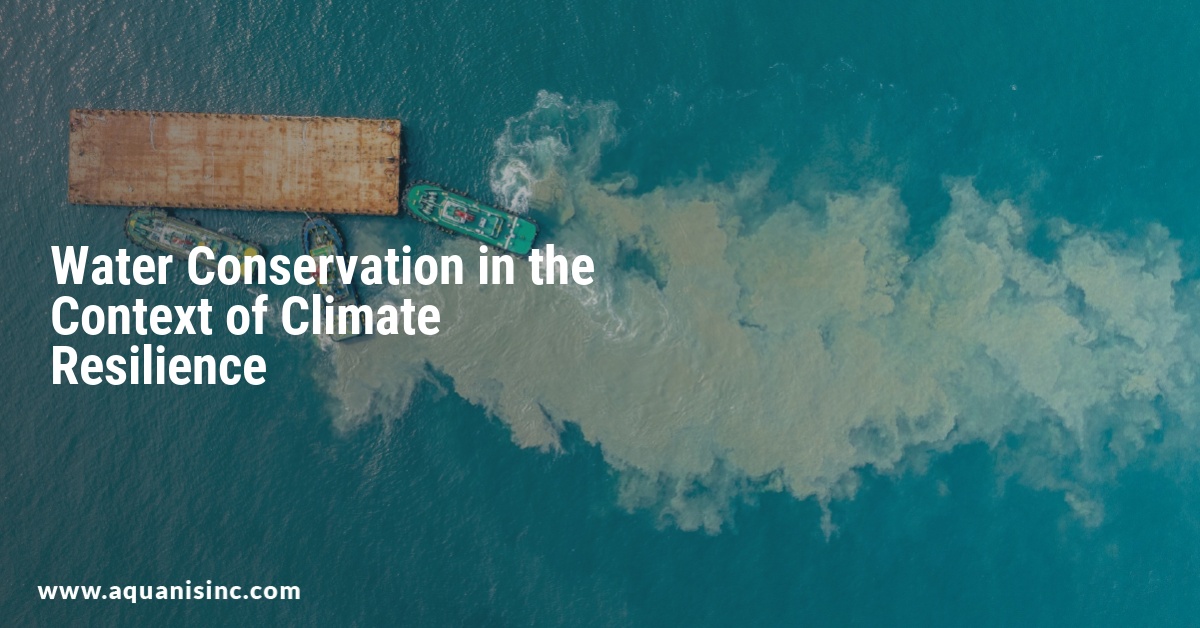
Water Conservation in the Context of Climate Resilience
Climate change is making water conservation more important than ever. It’s not just about saving water. It’s also about being ready for extreme weather and water shortages. With two billion people without safe water and half the world facing water scarcity, we need strong conservation efforts.
Nowhere is this pressure felt more acutely than in regions already battling persistent drought. Communities in these areas face a compounding crisis — shrinking groundwater reserves, unpredictable rainfall, and growing demand that outpaces supply. Understanding water conservation strategies for drought-prone areas is essential for any household or municipality working to stay ahead of scarcity. These same strategies lay the groundwork for practical solutions like rainwater harvesting, which can meaningfully offset dependence on strained municipal and groundwater systems.
Strategies for Sustainable Water Management
Practices like rainwater harvesting are key. They provide a steady water source in areas with unpredictable rain. This helps communities stay strong during dry times.
It is also worth recognizing that water conservation practices do not operate in isolation — they are deeply intertwined with energy consumption at every level. Pumping, treating, and distributing water all require significant energy inputs, meaning that reducing water use directly translates to energy savings, and vice versa. This relationship, often referred to as the water-energy nexus in conservation, underscores why integrated approaches are increasingly essential for agricultural and municipal planning alike. When we design systems that address both resources simultaneously, we move beyond isolated fixes toward more resilient, holistic solutions.
Combining drought plans with water saving strategies makes policies more effective. Using smart farming methods like drip irrigation also helps save water. This reduces the strain on our freshwater.
It’s also important to protect natural water filters like wetlands. They improve water quality and help fight climate change. Governments should work with communities to manage water resources well. This way, we can protect our water and make our communities more resilient to climate change.

Matthew Reilly, a marine biologist and environmental writer, combines his passion for research with a mission to educate the public on water conservation. With over a decade of field experience, Matthew brings a wealth of knowledge and a unique perspective to the pressing issues of water pollution and ecosystem preservation.