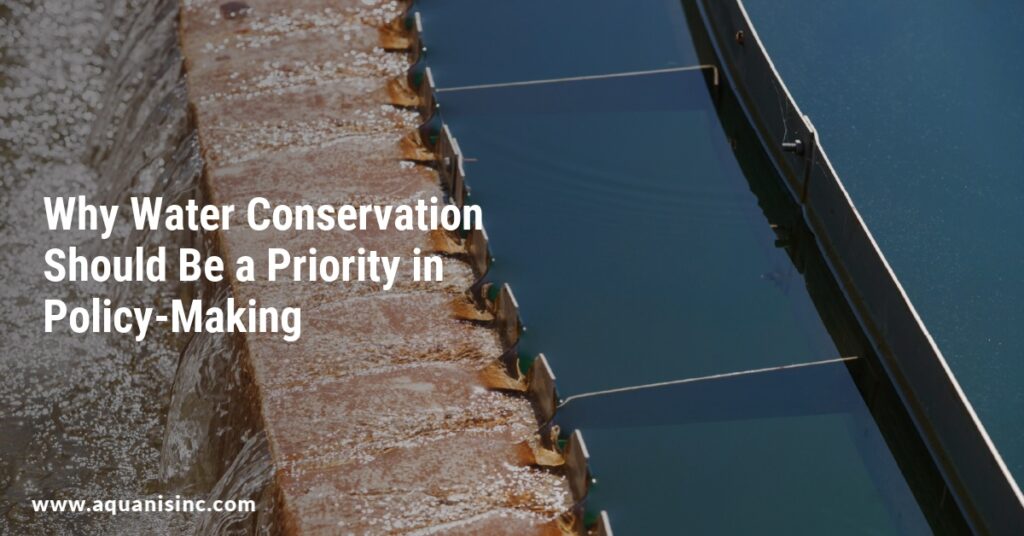

Water conservation is becoming more important as the world faces challenges like population growth and climate change. Countries are learning that managing water sustainably is key for both the environment and our water security. With 2.2 billion people lacking safe drinking water in 2022, new strategies are being developed.
Understanding the full scope of this crisis requires examining the structural arguments that underpin effective water governance. The reasons water conservation demands policy priority extend beyond environmental stewardship — they encompass public health, economic stability, and long-term national security. As freshwater supplies face mounting pressure from urbanization and shifting precipitation patterns, governments and institutions must move conservation from a voluntary practice to a foundational policy commitment. Addressing these pressures at the legislative level is what sets the stage for coordinated, measurable action.
The numbers behind this shortage are staggering. Approximately 80 percent of wastewater flows back into the ecosystem without adequate treatment, and agricultural irrigation accounts for roughly 70 percent of global freshwater withdrawals. A closer look at the global water pollution crisis reveals how contamination compounds scarcity, pushing already stressed communities further from reliable access. These converging pressures — rising demand, shrinking supply, and degraded quality — make coordinated international strategies not merely beneficial, but essential to long-term water security.
The U.S. Global Water Strategy stresses the need for responsible water use. It shows how saving water helps protect our ecosystems and supports biodiversity. Through efforts like raising public awareness and using rainwater harvesting, countries aim to ensure a water-secure future.
Innovative Water Conservation Strategies in Middle Eastern Countries
Middle Eastern countries are using new ways to save water. They face big challenges like climate change and growing populations. Desalination and recycling wastewater are key to keeping water safe.
Saudi Arabia’s Desalination Techniques
Saudi Arabia leads in desalination, making the most desalinated water globally. It’s moving its plants to run on solar power. This change makes them more efficient and green.
The country is investing in new tech and green energy. This shows its dedication to fighting water scarcity and protecting the environment.
Israel’s Wastewater Recycling
Israel is a leader in recycling wastewater, with about 85% of its water reused. This helps farmers and tackles water problems. By 2025, half of Israel’s farm water will come from recycled sources.
Israel also has over 300 desalination plants. These plants help the economy by exporting water. Their efforts are a model for others in the Middle East.
Water Conservation Policies Around the World
Countries worldwide are using new water-saving policies to protect their freshwater. These efforts help the environment and make farming more efficient. Places like Bangalore, India, and Northern China show how to keep water ecosystems healthy and farms water-efficient.
Bangalore, India: Legal Protections for Freshwater Lakes
In Bangalore, the government works to keep about 450 freshwater lakes safe from being sold. Laws help stop these lakes from being bought by private companies. The United Nations praises the city for creating a special agency to protect these water sources.
This effort helps manage water in cities and supports farming. It benefits both local people and farmers.
Northern China’s Agricultural Water Efficiency Initiatives
Northern China is investing $74 million in the North China Plain Water Conservation Project. It aims to improve water use on over 250,000 farms. The project uses new irrigation tech, soil monitoring, and green farming methods.
These steps boost farm output and save groundwater. It’s a big win for water conservation.
Successful Urban Water Conservation Practices in U.S. Cities
U.S. cities are leading the way in water conservation. They use smart strategies that save water and energy. This shows their commitment to using resources wisely.
Boston’s Building Water Use Assessments
Boston is making big strides in water conservation. The city makes big buildings report their water use every five years. This helps find and fix water waste.
It also makes property owners more aware of their water use. This helps the city manage water better and cut down on waste.
San Francisco’s Energy Saving Incentives
San Francisco is a leader in water and energy saving. It’s part of the ACEEE City Energy Efficiency scorecard. This shows its strong commitment to being green.
The city offers incentives for using energy-efficient appliances. This helps save water and supports the environment. It encourages everyone to help save water and energy.
Global Efforts and Strategies for Water Security
Global water security is a big issue today. Countries must work together to manage water effectively. The USAID Global Water Strategy shows how important it is to join forces.
Over 2017-2022, USAID did more than expected. They helped 15 million people get safe water and sanitation. This shows what can be done with a well-planned effort.
The new USAID goals for 2022-2027 are big but necessary. They aim to help 22 million more people with water and sanitation. The focus is on fairness, helping those who need it most.
USAID will spend $1 billion to support local efforts. They will help countries like Jordan and Lebanon. This will help them face climate change and water conflicts.
Improving climate resilience is key. By 2030, we might face a 40% shortage in freshwater. The world’s cities will double, making water management even more critical.
Working on water governance is vital. It helps build local leaders and promotes sustainable water use. This is essential for health, stability, and prosperity worldwide.

Matthew Reilly, a marine biologist and environmental writer, combines his passion for research with a mission to educate the public on water conservation. With over a decade of field experience, Matthew brings a wealth of knowledge and a unique perspective to the pressing issues of water pollution and ecosystem preservation.