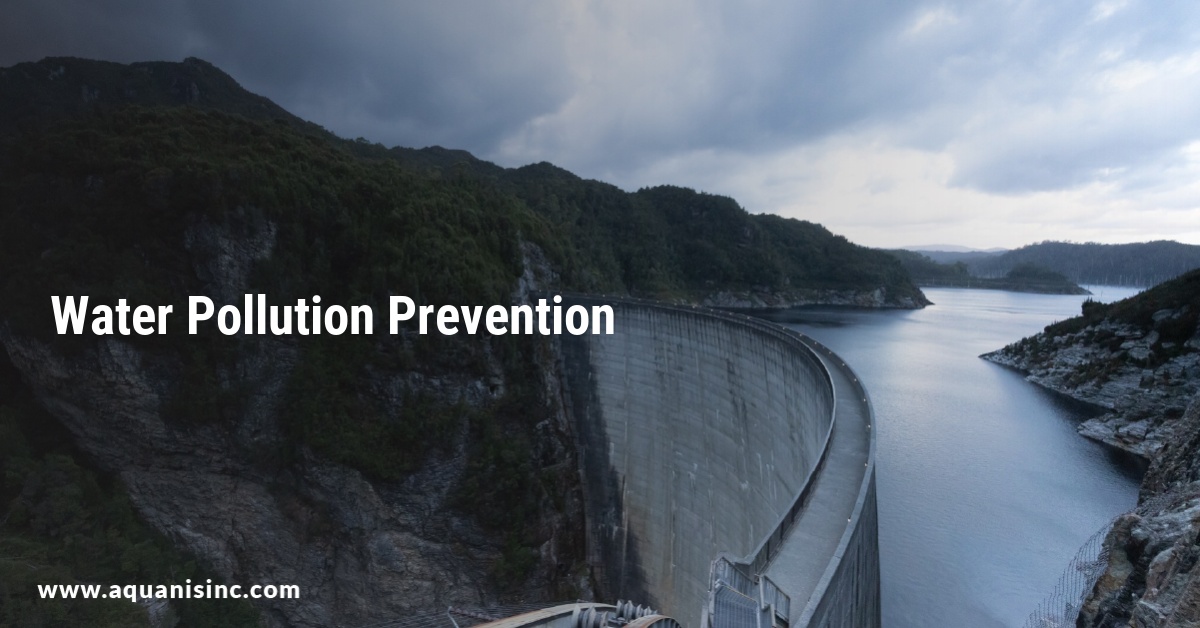

Dwindling fresh water resources and exploding populations are creating water shortages worldwide. The sad thing is that most of the water on the Earth is salt water and unfit for drinking with only 2.8% being deemed suitable for human consumption. People are polluting this small quantity of water faster than it can be cleaned. People in some parts of the world have no choice because it’s either use the water in the form it’s in or do without. They use the water for their sanitary needs as well as for drinking, even though both humans and animals defecate in the same water. Given their present circumstances, there is no way for them to practice water pollution prevention.
Here in the United States, though, and in other developed countries, there is a choice, and we can work to keep more water pollution from happening. There are a lot of things that we do as part of our everyday lives and think nothing about that can cause pollution. Did you ever think about any cleaning products you run down your drain? They contain chemicals, and chemicals pollute water. Maybe individually we don’t create the kind of pollution problems that agriculture and industry do, but we all contribute, and everyone needs to work together to clean up our act and our water.
There are certain types of pollution that we can’t control. We need our sanitary sewers and sewage treatment plants to take care of the tons of human waste that are a normal part of any society. What we can control, however, is individual decisions that can affect water supplies. For instance, if you’re out camping, choosing to use the nearby stream as a toilet is a bad idea. It’s far better to use the bushes where the wastes will be used as fertilizer rather than becoming pollutants in the water.
You might be under the impression that storm sewers carry all of our water to municipal water treatment plants, so you never worry about what might go down them. However, in many areas, the storm sewers only carry the water with the pollutants straight to a river, lake, or stream. If you allow oil and chemicals to wash down the storm drains, you may well just be pumping those pollutants right into our water sources. In the case of water pollution, what you don’t do can make all the difference in the world.

Matthew Reilly, a marine biologist and environmental writer, combines his passion for research with a mission to educate the public on water conservation. With over a decade of field experience, Matthew brings a wealth of knowledge and a unique perspective to the pressing issues of water pollution and ecosystem preservation.